

You're invited to the Friends Annual Social!
Our Friends Annual Social is coming up on Sunday, September 13, 1:00-4:00 PM!
This year's celebration is packed with something for everyone:
- Behind-the-Scenes Archives Tours led by NCTC Historian Dr. Mark Madison at: 1:15 p.m., 1:45 p.m., & 2:15 p.m.
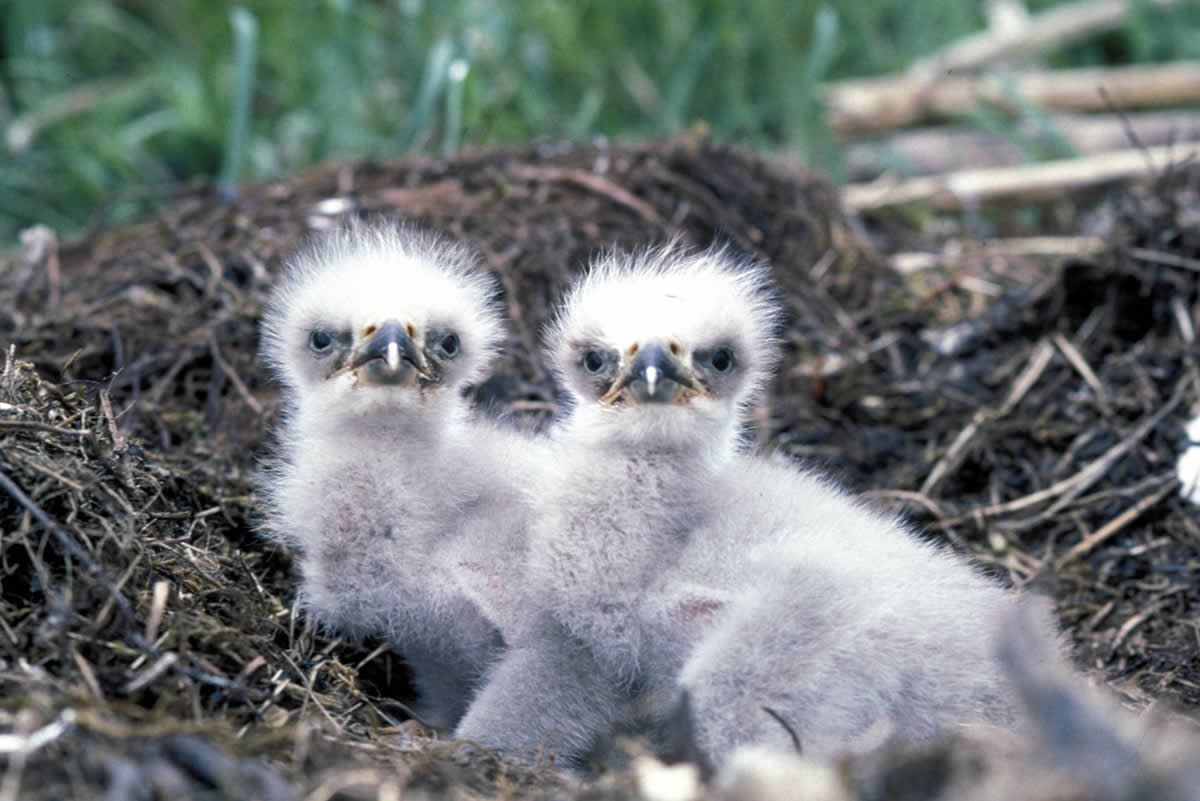
- A special conservation talk about Bald Eagles at 2:00 p.m. by U.S. Fish & Wildlife Service authority Randy Robinson, along with educational exhibits about eagles and wildlife.
- Local Indigenous history and artifacts presented by Matt "Maasaw" Howard, who will share fascinating stories about regional artifacts, their history, and preservation.
- FREE Build Your Own Ice Cream Sundae Bar (available throughout the event)
- Family-friendly activities for all ages, including eagle coloring pages and crayons for kids (so bring the whole family)!
- If the weather cooperates, you'll also have the opportunity to stroll across campus and see the impressive 20-foot totem pole, while enjoying the beautiful NCTC campus—the home to a mated pair of Bald Eagles that successfully raised chicks this year.
- Whether you're renewing your Friends membership, thinking about becoming a member, bringing someone who's never visited before, or simply looking for a fun afternoon with friends, we'd love to see you there.
Bring a guest, learn something new, enjoy some ice cream, and celebrate the people and history that make NCTC such a special place.
We can't wait to see you on September 13!
If you have any questions, please email us (info@friendsofnctc.org).

The Summer 2026 issue of The Fish & Wildlife News is now available, and it’s filled with interesting stories highlighting the work being done to protect the habitats we share.
One article that particularly caught our attention is "A Very American Bird: Why the bald eagle is our national symbol," beginning on page 18.
As the United States celebrates 250 years of independence in 2026, the article takes a look at one of our nation’s most recognizable symbols and the remarkable conservation story behind it. The bald eagle was nearly lost from the skies of the lower 48 states. Through protections under the Endangered Species Act, habitat conservation, and the work of countless people, the bald eagle made an extraordinary recovery. By 2007, it had recovered enough to be removed from the federal endangered species list. As the article puts it, the story of the bald eagle is ultimately a story about what we value and what we choose to leave behind for future generations.
And that’s just one of the many interesting stories featured in the Summer 2026 issue!
Read The Fish & Wildlife News (Summer 2026) here: https://www.fws.gov/sites/default/files/documents/2026-08/summer-news-26-final.pdf
Whether you’re interested in wildlife, habitat conservation, environmental education, or simply learning more about the natural world around us, we encourage you to take a look at the latest issue.
Upcoming events
NEWS
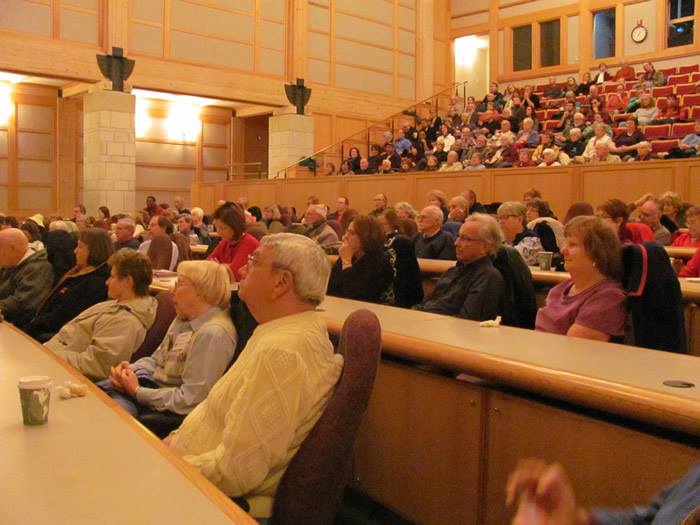
Recent Lecture Series
|
Thank you, Deb Stecyk and Mike R., for capturing such wonderful photos of Bella and Smitty! If you capture any photos, contact us at info@friendsofnctc.org, and we may put them in our slideshow. |
Great compilation of the Eagle Cams footage of Bella and Smitty's first season together!
Here is the video highlights of the NCTC Bald Eagles 2019 nesting season. There is a heartfelt thank you to NCTC, Outdoor Channel and Friends at the end of the video, as well as, a very special thank you to all the citizen scientists that help us to document the events at the nest. This past year we were able to collect and document bald eagle behavior on a spreadsheet that is accessible to students and the public; thanks again to our small team at Bald Eagles 101 on Facebook your assistance made this possible! Thanks also to Clayton and Randy your support was greatly appreciated!
- Deb Stecyk at Bald Eagles 101
BECOME A MEMBEREnjoy films, lectures, volunteering, and more, while supporting conservation education. Join Today! |
MAKE A DONATIONContribute to wildlife conservation training, education, and public outreach with a tax-deductible donation. Donate Today! |
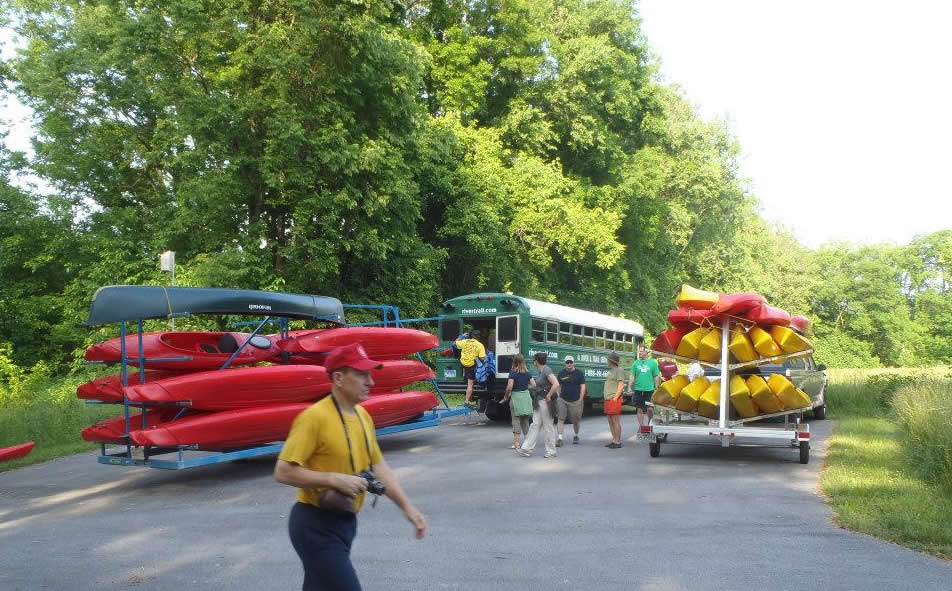
UPCOMING EVENTSAttend lectures, films, paddling tours, volunteer opportunities, and more. Attend an Event! |
GET INVOLVED AND PARTICIPATE IN A VARIETY OF ACTIVITIES
|
Our mission is to build a strong, educated, and committed community of conservation-minded individuals to support and advocate for the mission of the National Conservation Training Center. |